.webp)
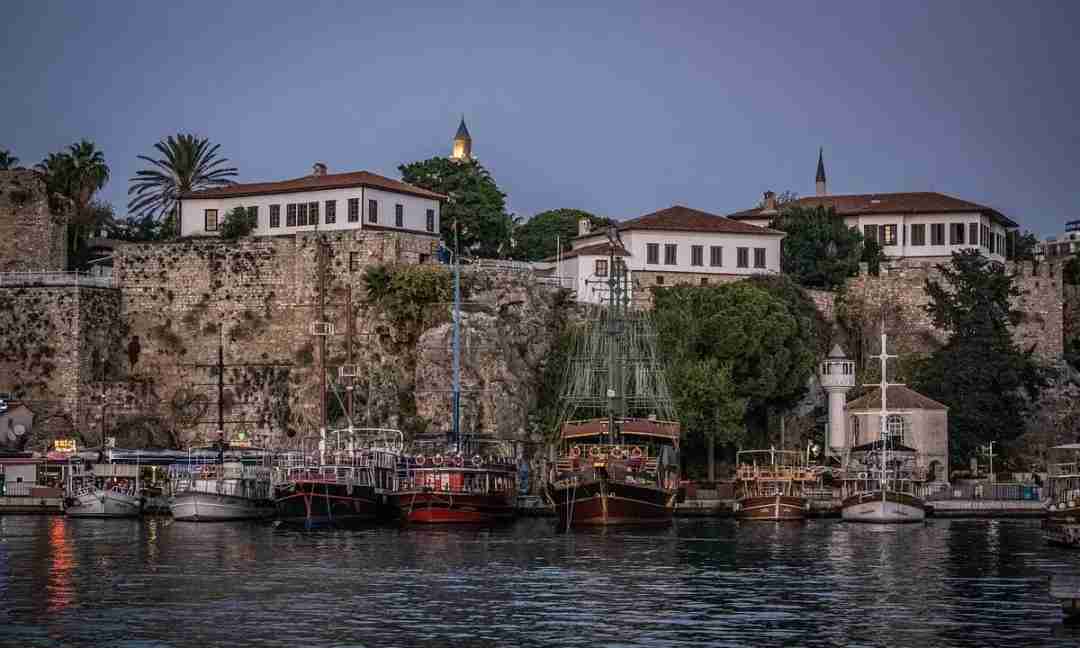
Turkey, a country steeped in history, is home to some of the most magnificent landmarks from the Ottoman Empire. The Ottomans, who ruled a vast empire from the 14th to the early 20th century, left behind a rich legacy of architecture, art, and culture. Visiting these landmarks offers a glimpse into the grandeur and sophistication of the Ottoman era. Whether you're a history enthusiast or a curious traveler, these top Ottoman-era landmarks in Turkey are must-see destinations that will leave you in awe.
1. Topkapi Palace, Istanbul
No exploration of Ottoman history is complete without a visit to Topkapi Palace, the heart of the Ottoman Empire for nearly 400 years. Located in the heart of Istanbul, this sprawling palace complex served as the main residence and administrative headquarters of the Ottoman sultans.
Topkapi Palace is a stunning example of Ottoman architecture, with its intricate tilework, lush courtyards, and grand halls. The Harem, where the sultan's family lived, is particularly fascinating, offering a glimpse into the private lives of the royal family. Don't miss the palace's Treasury, which houses some of the most valuable artifacts of the Ottoman era, including the famous Topkapi Dagger and the Spoonmaker's Diamond. Walking through the palace, you can almost feel the power and influence that once radiated from its walls.
2. Blue Mosque (Sultan Ahmed Mosque), Istanbul
The Blue Mosque, also known as the Sultan Ahmed Mosque, is one of the most iconic landmarks of Istanbul and a masterpiece of Ottoman architecture. Completed in 1616 during the reign of Sultan Ahmed I, the mosque is named for the stunning blue tiles that adorn its interior.
The mosque's design, with its six minarets and large central dome, is a perfect blend of Islamic and Byzantine architecture, reflecting the Ottomans' architectural prowess. The mosque's interior is equally impressive, with over 20,000 handmade ceramic tiles in various shades of blue, as well as intricate calligraphy and stained glass windows. The Blue Mosque remains an active place of worship, so visitors are reminded to dress modestly and respect the prayer times when planning their visit.
3. Dolmabahçe Palace, Istanbul
Dolmabahçe Palace, located on the European shore of the Bosphorus, is another stunning example of Ottoman opulence. Built in the mid-19th century, this palace was the main administrative center of the Ottoman Empire after Topkapi Palace and is a symbol of the empire's modernization.
Dolmabahçe Palace is renowned for its lavish interior, which blends traditional Ottoman elements with European styles like Baroque, Rococo, and Neoclassicism. The palace boasts 285 rooms, 46 halls, and six baths, all adorned with the finest materials, including crystal chandeliers, silk carpets, and gold leaf. The palace's Ceremonial Hall is particularly breathtaking, with its massive crystal chandelier—the largest in the world—hanging from the 36-meter-high dome. A visit to Dolmabahçe Palace offers a glimpse into the luxurious lifestyle of the Ottoman sultans during the empire's final years.
4. Süleymaniye Mosque, Istanbul
The Süleymaniye Mosque, perched on one of Istanbul's seven hills, is a masterpiece of Ottoman architecture and one of the city's most important landmarks. Commissioned by Sultan Süleyman the Magnificent and designed by the famed architect Mimar Sinan, the mosque was completed in 1557 and remains an enduring symbol of the empire's grandeur.
The mosque complex includes not only the main prayer hall but also a series of courtyards, a madrasa (Islamic school), a hospital, and the tombs of Sultan Süleyman and his wife, Hürrem Sultan. The interior of the mosque is strikingly simple yet elegant, with high domes, massive pillars, and beautiful stained glass windows. The mosque's location also offers some of the best panoramic views of Istanbul, making it a must-visit for both its historical significance and its beauty.
5. Hagia Sophia, Istanbul
While originally built as a Byzantine cathedral, Hagia Sophia is an iconic landmark that also holds great significance in Ottoman history. After the conquest of Constantinople in 1453, Sultan Mehmed II converted Hagia Sophia into a mosque, and it served as the primary mosque of Istanbul for nearly 500 years.
Hagia Sophia's architecture is a harmonious blend of Byzantine and Ottoman styles, with its massive dome, minarets, and stunning mosaics. Inside, visitors can see both Christian iconography and Islamic calligraphy, symbolizing the building's rich and complex history. Today, Hagia Sophia is a museum, allowing visitors to explore its architectural beauty and learn about its historical importance in both Byzantine and Ottoman periods.
6. Beylerbeyi Palace, Istanbul
Beylerbeyi Palace, located on the Asian side of the Bosphorus, was the summer residence of the Ottoman sultans. Built in the 1860s during the reign of Sultan Abdülaziz, the palace is a fine example of Ottoman elegance and Western influence.
The palace's interior is richly decorated with European-style furniture, chandeliers, and carpets, while the exterior features intricate stonework and elegant terraces overlooking the Bosphorus. The palace's gardens are also noteworthy, offering a peaceful retreat from the hustle and bustle of the city. Beylerbeyi Palace is a lesser-known gem but offers a unique glimpse into the lifestyle of the Ottoman elite.
Conclusion
Turkey's Ottoman-era landmarks are not just historical sites; they are living reminders of a time when the Ottoman Empire was one of the most powerful and influential in the world. Each of these landmarks offers a unique experience, whether it's the grandeur of Topkapi Palace, the architectural brilliance of the Blue Mosque, or the historical significance of Hagia Sophia. Visiting these sites will enrich your understanding of Turkey's rich cultural heritage and leave you with lasting memories of your journey through the Ottoman past.